
B2B e-commerce development for B2B and B2C on one platform
We build B2B platforms for wholesalers, manufacturers and distributors where customers order on their own terms and every order goes straight into the ERP. If you also sell to consumers, both channels can share one catalogue and one set of logic.
We start with the first customer group rather than launching everything at once.
Who it is for
Customer-specific terms
Every customer has their own price list, discounts, payment terms or credit limit.
Orders through sales reps
Customers order by email or phone, and your team retypes the orders into the ERP.
Several people on the buyer’s side
One person orders, another approves and invoices go to someone else.
B2B and B2C apart
Two systems, two catalogues and double work with every change.
Problems we solve
What you get
Company accounts with roles
The company, its employees and their permissions: who orders, who approves and who sees invoices.
Pricing and terms per customer
Price lists, discounts and payment terms assigned to a customer or group, ideally fed from the ERP.
Quick ordering
Ordering by SKU, list upload, reordering past orders and saved lists.
Quotes and approvals
Quote requests for larger orders and an approval path on the buyer’s side.
ERP integration
Stock, prices, orders, documents and deferred payments synchronised with the system your team works in.
One catalogue for B2B and B2C
If you sell in both channels: one set of product data, different sales rules.
How we work
Conversation
How your customers order today, what your team retypes and which systems need connecting.
Scope and fixed price
We choose the first customer group and processes to start with. With many unknowns, we begin with the implementation plan.
Working increments
We show each feature on real order scenarios from your customers.
Pilot release
Launch with a selected customer group before the platform covers everyone.
Growth
More customer groups, features and channels, each stage with its own scope and price.
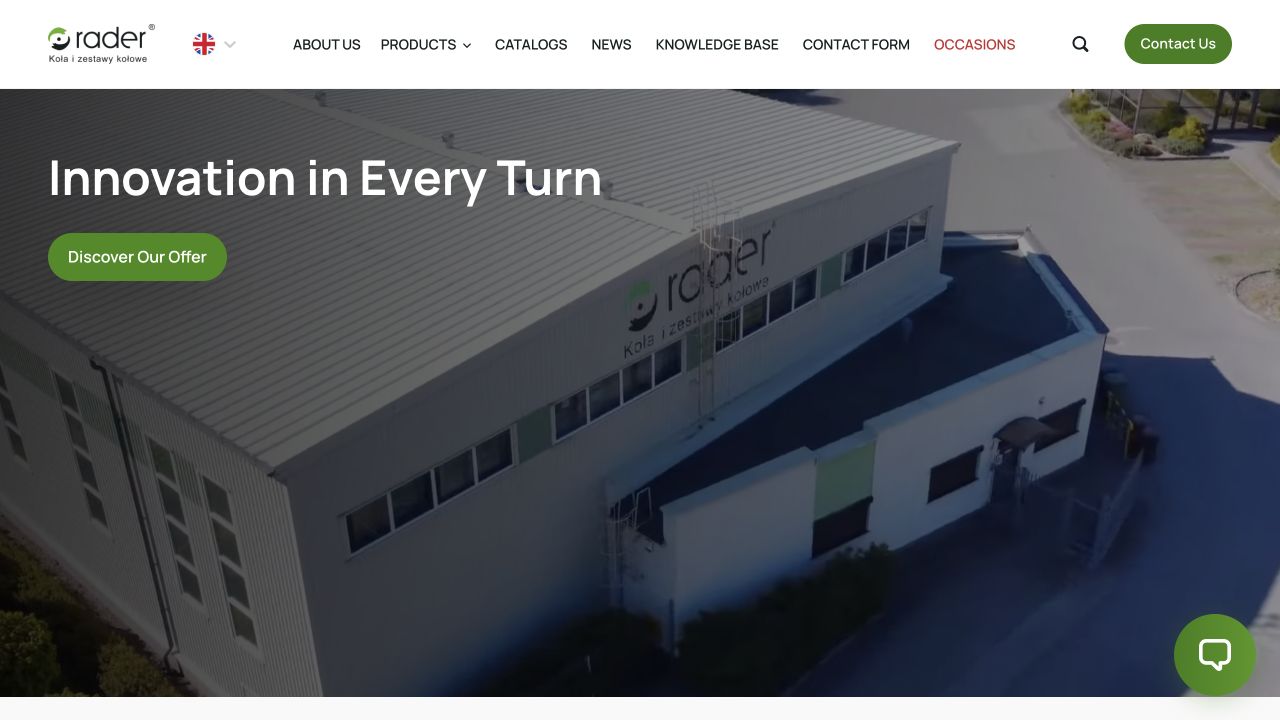
Rader: a B2B product for an extensive technical range
A public B2B product: catalogue, detailed product pages, an AI selection assistant and 3D previews. Built in Next.js, not on Medusa. It shows how we design the B2B buyer experience for an extensive range.
Read the case studyEngagement model: fixed price
We quote a B2B platform at a fixed price for an agreed scope, usually starting with the first customer group.
The price depends on the number of integrations (especially ERP), the complexity of price lists and terms, the number of roles and approval paths, and whether the platform also covers B2C.
When the scope is still unclear, we start with the implementation plan: 5 working days, €2,500 net, credited against an implementation worth more than €15,000 net.
See the implementation planQuestions about B2B e-commerce
What does a B2B ecommerce agency do?
It designs and builds the platform where your business customers order on their own terms: price lists, credit limits, payment terms and permissions for several people in their company. We also connect it with your ERP so orders arrive without retyping.
Which features does a B2B platform need?
Usually: company accounts with roles, customer-specific pricing, quick ordering by SKU, reordering, availability information, invoices and documents, and ERP integration. We set the starting scope by what takes your team the most time today.
Which platform is best for B2B?
An off-the-shelf B2B platform is enough if your process fits its settings. Medusa provides ready commerce foundations and freedom in the logic, so you do not build everything from scratch, but you also do not bend your company to the system’s limits.
How do you integrate a B2B platform with an ERP?
First, we decide which system is the source of truth for products, prices, stock and customers. Then we design the data flows and error handling. The details are on our e-commerce integrations page.
How much does a B2B e-commerce site cost?
It depends on the number of integrations and the complexity of pricing and approval processes. We quote it at a fixed price for an agreed scope, usually starting with the first customer group.
Can B2B and B2C run on one platform?
Yes. A shared catalogue and logic, with separate prices, terms and purchase journeys for each channel. Whether it pays off depends on how much work is duplicated today, and that is what we check first.

Show us how your customers order today.
In 20 minutes, we will work out what to move onto the platform first and which systems it touches.